Category: Uncategorized

  • Cambodia Community Forest Conservation

    Cambodia Community Forest Conservation

    The Rukhavorn Community Forest spans over 30,254 hectares, with many villagers living within the forest. Hunting, fishing and illegal logging are a danger to all the wildlife within the forest. This region of Cambodia has a culture of forest protection by local communities going back generations and, until recently, with no external support.

    Several of the species found in the forest are on the IUCN Red-List of threatened species: Sunda pangolins, bantengs and doucs are Critically Endangered; long-tailed macaques, silvered langurs are Endangered; sambar, stump-tailed and northern pig-tailed macaques are Vulnerable species. Alongside their intrinsic value, all these species play a vital role in maintaining a healthy forest ecosystem.

    Barbaric snares, made from rope, metal wire and/or nylon, are set in the thousands throughout forests in Cambodia and are the biggest threat to the country’s wildlife, causing a painful death to anything that strays into their path. In addition, the loss and fragmentation of habitat has seen further declines in populations and have made poaching easier for the hunters, giving them closer access to dense forest areas.

    The Sunda pangolin is the most trafficked animal in the world. These shy and gentle creatures are hunted for their meat, skin and scales to be used in food, clothing and traditional medicine. Already critically endangered on the IUCN Red List, Sunda pangolins are predicted to decline by a further 80% over the next two decades unless urgent action is taken.

    Douc langurs are small primates whose highly specialised diet of leaves, seeds, fruits and flowers, makes them especially habitat dependent. Adult douc langurs are hunted for food and traditional medicine, with their babies being captured and sold as illegal pets. Due to their specialised diet the babies usually die in captivity due to gastric distress.

    Banteng are a beautiful species of wild cattle which play an important ecosystem role as large herbivores, circulating nutrients and dispersing seeds. Their main threats are habitat loss and hunting for their meat and horns. They have experienced an estimated 80% global population decline over the past 20 years and the latest IUCN Red List assessment puts the global population of banteng at just 8,000, with over half living in eastern Cambodia.

    Rukhavorn Community Forest rangers, located within the Sorng Rokha Vorn Wildlife Sanctuary, are managed by former monk, Bun Saluth. He coordinates with Ministry of Environment rangers and approximately 80 local people and monks to protect the forest and its wildlife. They patrol alongside Ministry of Environment officials and police. The wildlife rangers here are very committed to the forest’s protection but are in urgent need of financial and technical support in order to sustain their activities.

    While on patrol the rangers often have to stay 2 or 3 nights out in the forest, travelling by quad bike or ox and cart, removing snares set by poachers, confronting armed hunters and monitoring wildlife and illegal activity. To control illegal activities, patrols are divided into two teams: the forest team, responsible for checking snares and opening forest fire trails, and the wetland team, which patrols by boat to deter illegal fishing. Snares are set randomly so are difficult to detect, but their specialised ranger units over 10 stations have removed approximately 250,000 snares to date.

    Our on the ground partner in the area is Wildlife Alliance. Through their Community Conservation Support programme, they respond to requests from the ranger teams, helping to provide them with the training, equipment and support they need to work safely and effectively to protect the forest and its wildlife.

    Through this project, we aim to support the community rangers in 4 specific ways:

    1. Build a natural pool that provides water for wildlife during the dry season.
    2. Purchase 10 additional patrol equipment kits to enable 10 additional Rukhavorn rangers to patrol and protect the forest’s natural resources and wildlife.
    3. Purchase 3 GPS units so rangers can track and analyse patrols, discourage hunting, remove snares and address other threats to forest and wildlife.
    4. Increase ranger effectiveness and wildlife monitoring through hands-on training on site selection, re-installation of camera traps during the dry season, patrol analysis and strategic planning for future patrols.

    Past project impact

    In 2023, we worked with Wildlife Alliance in the Srae Chis Community Forest, in another part of Cambodia. Through this project, we were able to supply the ranger team with essential patrol and monitoring equipment: camera traps, radio devices, hammocks, headtorches, raincoats, backpacks and boots. The impact on ranger patrols has been significant in this area, including giving rangers the ability to record new data and thus provide a more accurate picture of the importance to biodiversity protection. As one small example, the camera traps recorded footage of the critically endangered banteng which, due to their elusiveness, had never been officially recorded in the area before.

  • Cameroon Wildlife Corridor

    Cameroon Wildlife Corridor

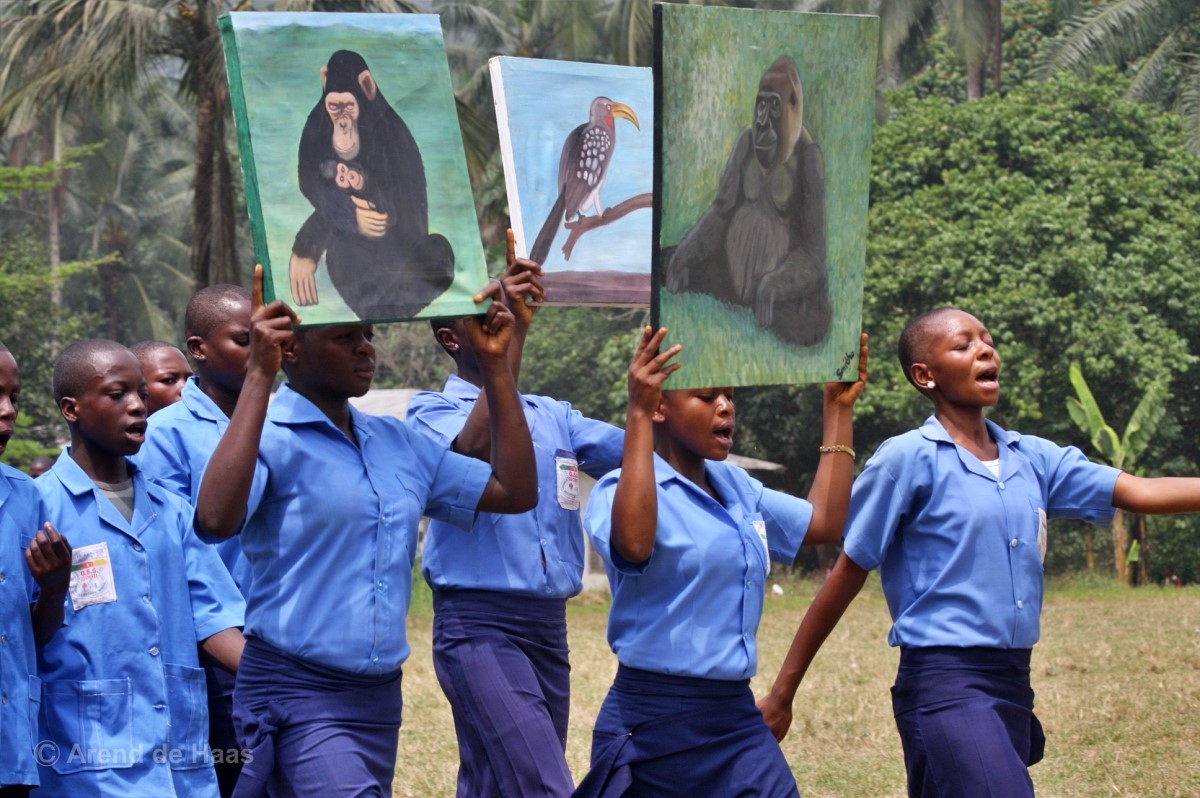
    Dja Biosphere Reserve is a World Heritage Site considered as one of IUCN’s fifteen critical zones for the conservation of central African biodiversity. This corridor links a significant population of critically endangered western lowland gorillas and other globally threatened large mammals such as Central chimpanzees, African Forest elephants, drills, mandrills and White collared mangabey, found in the Deng Deng National Park to those in the DBR. The corridor is estimated to be 620,000 ha. Currently, 80 percent of the corridor has received some sort of protection (community forest, council forest, and forestry concessions).

    However, this leaves 52,000 ha of the proposed Deng Deng-Dja Corridor still unprotected. All of these threatened species are experiencing increasing threats from bushmeat poaching and the illegal wildlife trade. The population of western lowland gorilla is known to have decreased significantly in recent decades. Isolation will increase occurrences of inbreeding, leading to weak genes and extinction in the long-term. Fragmented habitat means that populations of many species cannot increase due to limited space and resources.

    Working with our on-the-ground partners, this project aims to support the protection of the remaining unprotected section (52,000 ha) of the Deng Deng-Dja Corridor, whilst also supporting the livelihoods and economic development of the local people. The community forestry approach will improve community engagement in forest management, enhance forest conservation and reduce poverty for forest dependent people.

    The creation of this protected wildlife corridor will significantly benefit biodiversity, connecting isolated sub-populations of iconic endangered species including the western lowland gorilla, increasing genetic mixing and resilience, and increasing overall wildlife populations as available habitat expands.

    Improved forest management across the 8 new community forest areas will have a substantial impact on the local economy and livelihoods, diversifying the economy and providing employment opportunities in agroforestry, regenerative agriculture and the production of high value forest products such as honey and soaps. Community rangers will be at the heart of the project, working to patrol existing habitat and monitor wildlife, as well as undertaking habitat restoration where necessary.
  • Hargila Army, Assam, India

    Hargila Army, Assam, India

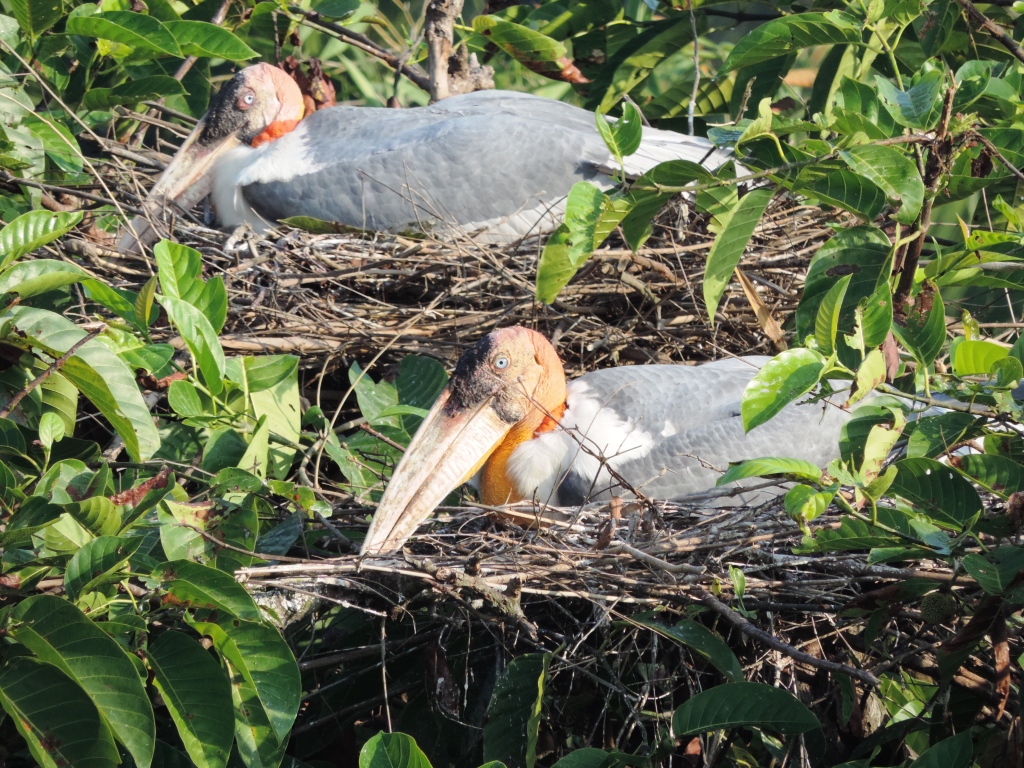
    The Greater Adjutant Stork, or Hargila, is the world’s rarest stork, breeding only in Cambodia and the Assam region of north East India, with Assam hosting 80% of the global population. This remarkable bird is 5ft tall with an 8ft wingspan, and is a vital part of its wetland ecosystem. Wetland ecosystems worldwide are in critical need of protection and restoration with around 90% already lost. The Hargila is also a very effective scavenger, which is crucially important in reducing the spread of diseases for both wildlife and people.

    It is this association with death and disease which has historically given the stork a bad reputation. As the human population of Assam has increased and wetland areas reduced, the storks have come into closer contact with people and moved onto feeding on rubbish dumps. The birds are often seen as dirty and a pest in rice paddies and on farms and in villages, leading to misunderstanding and persecution. Nesting sites face numerous threats in addition to human disturbance, including from winds, storms and predators, which combined have put the species on the IUCN red list. Immediate interventions such as rescue operations, protective nets, and community outreach are crucial for their survival.

    We are delighted to be working with Purnima Devi Barman, dedicated champion of the greater adjutant stork and founder of the community conservation group the Hargila Army, also known as the Stork Sisters. She recognised the value of the storks and saw how their numbers were declining and she has been working to inspire thousands of women in communities across rural Assam to join her in protecting the storks and their habitats through species and habitat restoration, rescue operations and cultural outreach.

    As well as planting thousands of trees to safeguard nesting habitat into the future, Purnima and her team are dedicated to maximising the chance of survival of every stork chick. They build their nests at the top of very tall trees and sadly many chicks fall or try and leave the nests before they are ready to fly. To help protect these chicks, the team set up nets below the nesting sites to catch fallen chicks so they can be rescued and if necessary hand reared and then released back into the wild. The project has already brought the Hargila back from the brink of extinction, increasing numbers in Assam from a low of 115 to today’s estimate of 1830 individuals.

    Conservation without livelihood is not sustainable, and the key to the Stork Sisters’ success has been to tap into Assam’s rich tradition of weaving. Purnima secured funding for 30 looms, set up a weaving centre and provided training in weaving the Hargila motif into fabrics which are then used in their traditional textiles and scarves. This is integrating the stork into the culture of Assam as a source of pride and providing women with an independent income. Those women who live in more remote villages  make small groups sharing 2 or 3 looms and some were also given sewing machines to make bags, cushion covers and other items from the handwoven fabrics. All of the women do conservation work alongside their weaving and sewing. Many of the women are very isolated, working on farms with only their immediate family for company, so the project provides them with a social network and support. They meet with other women in the group, visit villages as part of their community outreach work and get together to weave and sew.

    Impact

    This project is not only benefitting the stork and the wider ecosystem, but crucially the rural communities in Assam, transforming the lives of the members of the Hargila Army. To date, around 10,000 women have joined the organisation, becoming passionate conservationists dedicated to protecting the storks, whilst at the same time improving their own economic status and financial security. It is a perfect example of how small scale community based conservation initiatives can make a real difference to protecting biodiversity and ensuring a sustainable future for people and wildlife.