Category: Uncategorized

  • Fighting Wild Fires, Senegal

    Fighting Wild Fires, Senegal

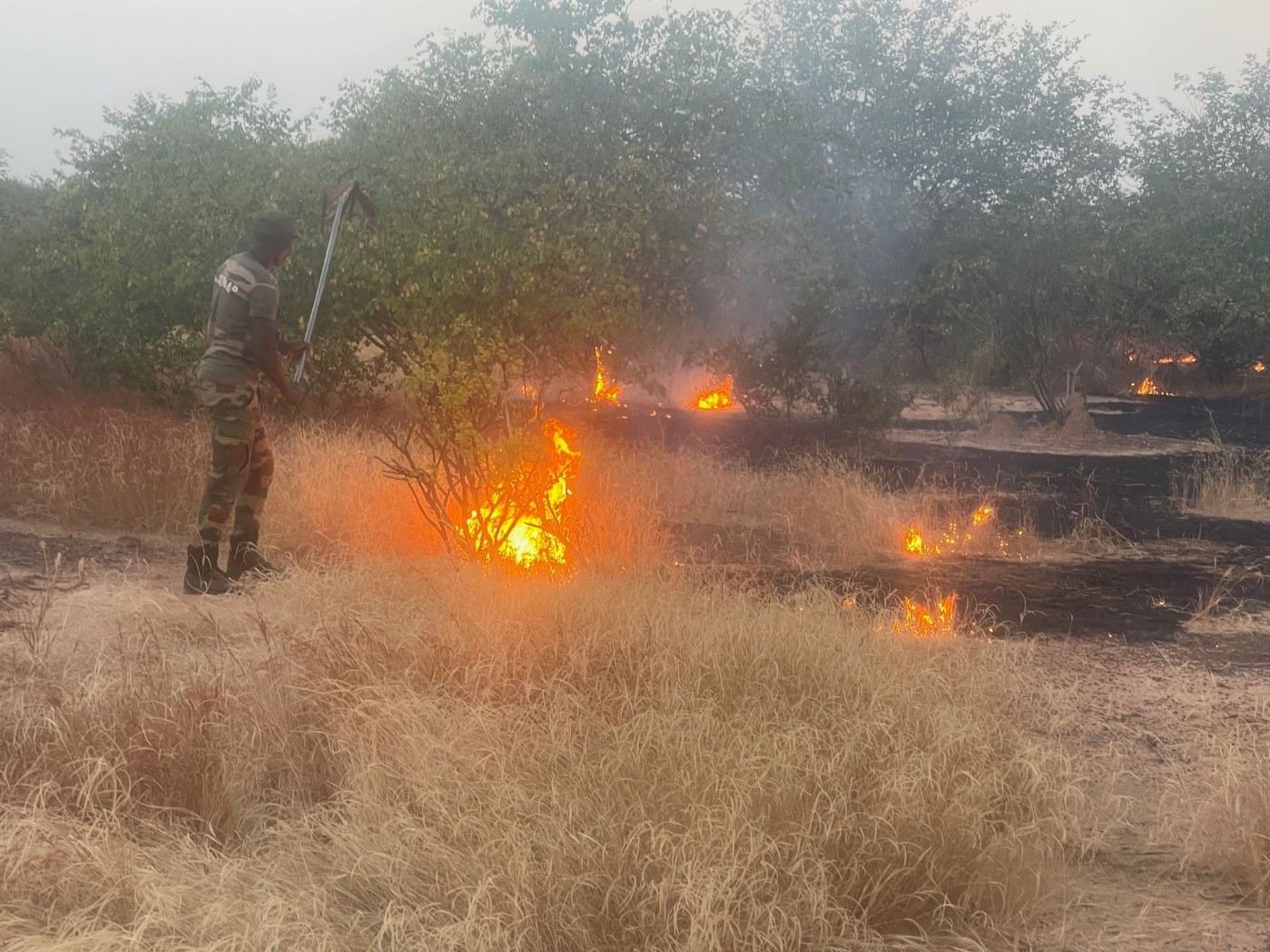
    The dry Sahel ecosystem of the Ferlo North Wildlife Reserve in Senegal is under pressure from overgrazing, as well as the threat of wild fires. These fires are becoming more frequent and have a devasting impact on the landscape and wildlife as well as communities in the area. Ferlo North is a stronghold for many iconic species, as well as an important area for migrating birds. It is also a crucial site for the reintroduction of the north African red necked ostrich and the critically endangered scimitar horned oryx.


    Working with on the ground partners, we have been able to support the creation of firebreaks within the reserve, as well as the excavation of ponds to provide standing water for fire-fighting and oases for the benefit of wildlife.


    It is important that ranger teams have the basic equipment needed for their day to day work, so as well as specialist fire fighting equipment we are making sure that they have access to fuel for their vehicles to enable them to maintain regular patrols as well as respond quickly and reliably to emergencies.


    As climate change and over grazing continue to threaten this landscape for the long term, it is vital that the local economy adapts to ensure a sustainable future. Therefore, we have also been working with our partners on the ground to fund the creation of vegetable gardens to diversify agriculture and reduce the reliance on grazing animals, providing better food security for local communities, protecting the landscape and further reducing the risk of more fires.

  • Connecting Communities for Conservation, Cambodia

    Connecting Communities for Conservation, Cambodia

    The Hargila Army is an inspirational grassroots organisation founded and led by our Working for the Wild Ambassador Dr Purnima Devi Barman.  We are proud to have supported their work protecting and safeguarding the future of the endangered greater adjutant stork and its threatened habitat in Assam, India, through empowering local women to become conservationists. Following the success of this project, they are now hoping to expand their work to the stork’s other stronghold in Cambodia.

    The greater adjutant stork, or Hargila, is the world’s rarest stork, breeding only in Cambodia and Assam. This remarkable bird is a vital part of its wetland ecosystem. It is also a very effective scavenger, important for reducing the spread of diseases for both wildlife and people. Due to habitat loss, the storks have come into closer contact with human habitation and moved onto feeding on rubbish dumps. They are often seen as dirty and a pest, leading to misunderstanding and persecution.

    Purnima’s conservation and community empowerment model set up in India has been extremely successful, increasing stork populations and empowering thousands of women to become conservationists and to build their livelihoods around protecting them. We would now like to help replicate this model in Cambodia, training women in nest site and habitat protection, conservation leadership and providing equipment necessary for the protection of the storks’ nesting sites in Cambodia. It is hoped that women from India will be able to travel to Cambodia to share their knowledge and experiences to help develop new businesses and livelihoods based around the storks and their importance to the local area.

    Through this community initiative, the greater adjutant stork and its threatened wetland habitat will be better protected, leading to population increase and a more secure future for this endangered keystone species. It will also increase awareness of the importance of these animals among local communities and enable hundreds of women to play a key role in stork conservation, whilst also building sustainable businesses and boosting the local economy.

  • Rewilding, Serbia

    Rewilding, Serbia

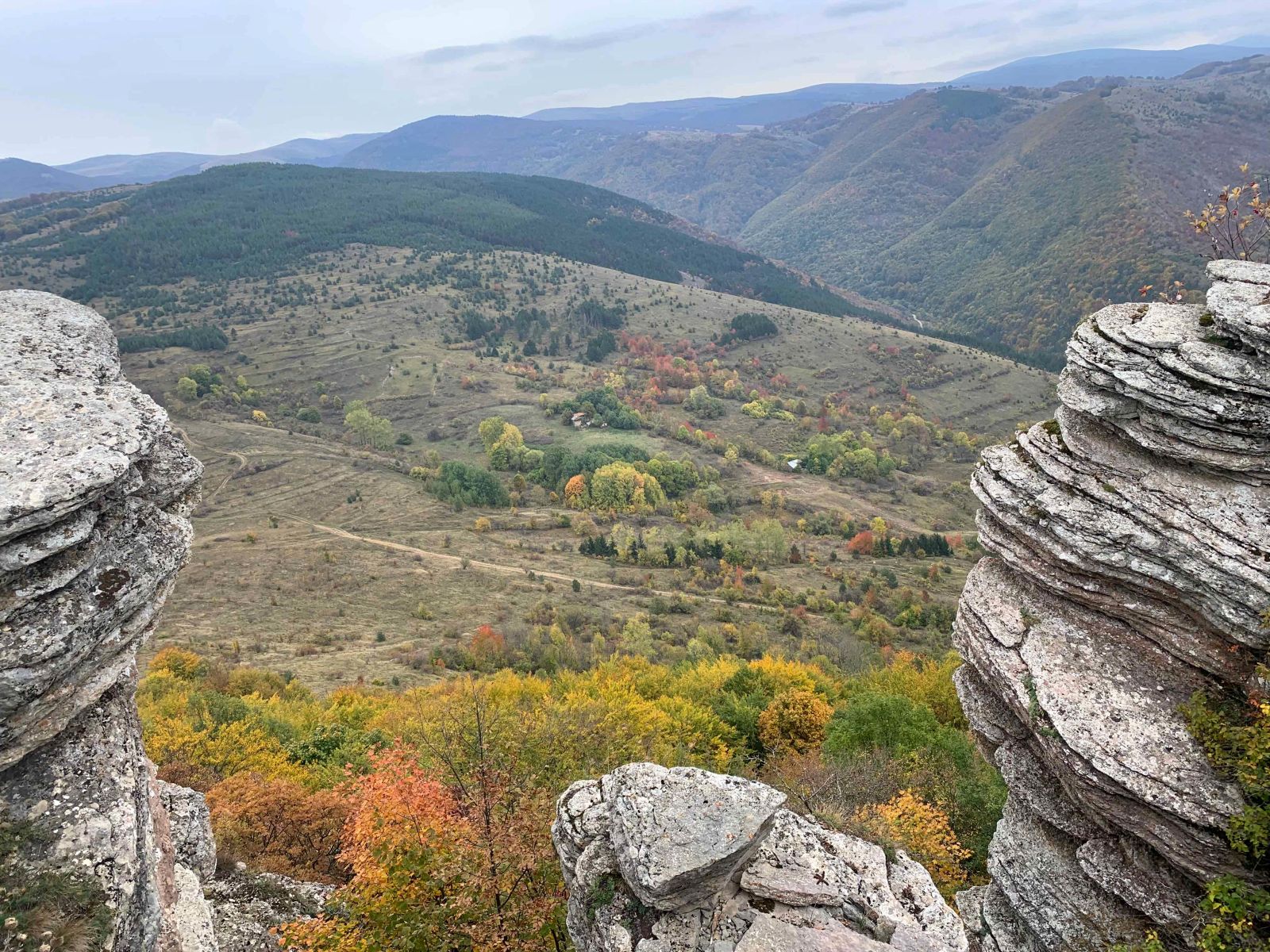
    Stara Planina Natural Park in Serbia is a vast area of mountainous grassland landscape in central Europe. The region is particularly important for plant diversity; the mixture of forest, scrubland, grassland and bogs provide a unique habitat for a wide variety of wildlife. For thousands of years this landscape has been maintained through grazing by large herbivores – both wild animals and traditional breeds of livestock. However, in recent years the habitats have started to degrade and the area is under threat, including from over-grazing by concentrated areas of sheep and cattle, and changes in agricultural practices and rural culture. In addition, climate change is impacting how well the grasslands can recover from degradation.

    In order to restore and protect this ancient mountain landscape, our local partners in the region are working on an exciting rewilding project. This involves a return to managing the habitats as they had been for thousands of years through low intensity grazing by large herbivores. Currently, the team are using traditional hardy livestock breeds such as the Stara Planina horse and Busha cattle. However, the ultimate goal is to reintroduce wild European bison – an important species which used to roam the plains and mountain pastures of central Europe but has been extinct in the wild in the Balkans for hundreds of years.

    To ensure the success of this project, the local ranger teams need to have the right equipment to patrol and monitor the park, the grazing animals and other wildlife. We are delighted to have been able to support them by providing funds for boots to ensure they can work safely to protect this ancient landscape.

  • People and Wildlife Side By Side, Sri Lanka

    People and Wildlife Side By Side, Sri Lanka

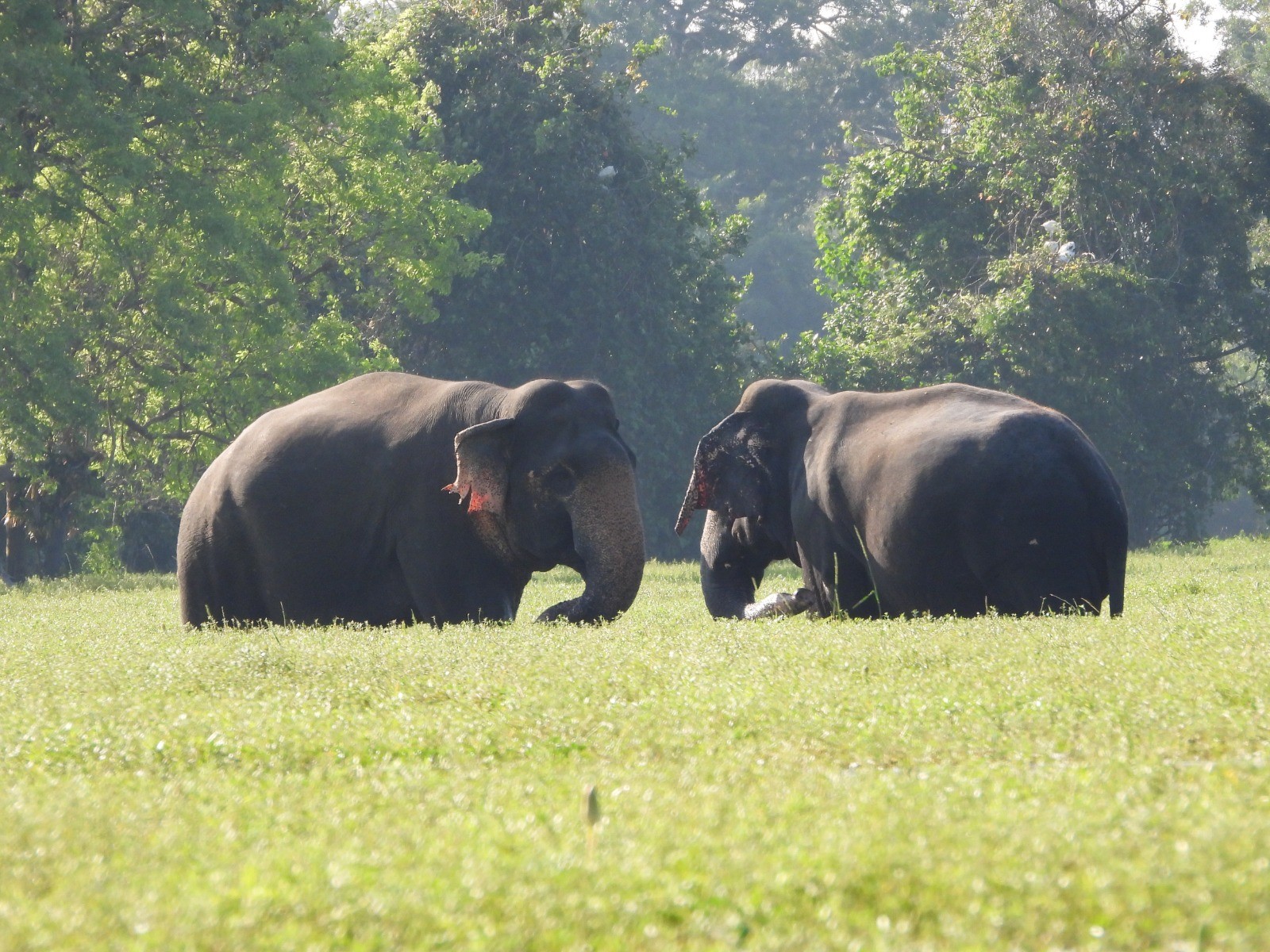
    Sri Lanka is a stronghold for the endangered Asian elephant, however, human interaction with elephants is a major issue both for the safety of people in affected villages and the elephants that stray too close to farmland and homes. With the highest number of elephant deaths and second highest rate of human deaths in the world due to this human elephant conflict, managing this relationship between people and wildlife is a core part of the role of wildlife rangers.

    Lahugala National Park in the south east of Sri Lanka is one of the smaller national parks in the country, and thus often not as well funded as the larger parks. The small ranger team regularly deals with human elephant conflict, as well as other issues such as illegal fishing in park reservoirs, unauthorised entry of cattle into the park, and illegal hunting of wild animals. However, the team was lacking the patrol equipment and PPE to work safely and effectively in sometimes extreme and dangerous conditions.

    Working with our on-the-ground partners Elemotion Foundation, we were pleased to be able to fund £3000 of equipment for the rangers at Lahugala National Park, including protective clothing, bushcraft equipment, night vision binoculars and camping gear. As a result, the ranger team has been able to increase not only the number of patrols but also the effectiveness of these patrols. In addition, the night vision binoculars have enabled them to expand their work further afield to include night time monitoring of beaches that are home to nesting turtles.

    Most importantly, the provision of this new equipment has meant better safety and morale for the rangers and improved conservation for elephants and other wildlife.

    We were also delighted to provide £4000 towards the construction of a new aviary at the Randenigala Health Management Unit, which is a vital facility for research and monitoring, combatting wildlife crime and caring for and rehabilitating injured wildlife.

    Previously, the centre had no specialist area for birds, but thanks to your support and donations and the incredible team work of staff on the ground who volunteered extra time and skills, the aviary is complete and almost ready to open.

    Species that will benefit from this brand new facility include birds of prey such as the black eagle, white bellied sea eagle and many owl species, as well as birds endemic to Sri Lanka including the Sri Lanka wood pigeon, Sri Lanka grey hornbill, Layard’s parakeet and the national bird, the Sri Lanka junglefowl.

  • Liberia Forest Rangers

    Liberia Forest Rangers

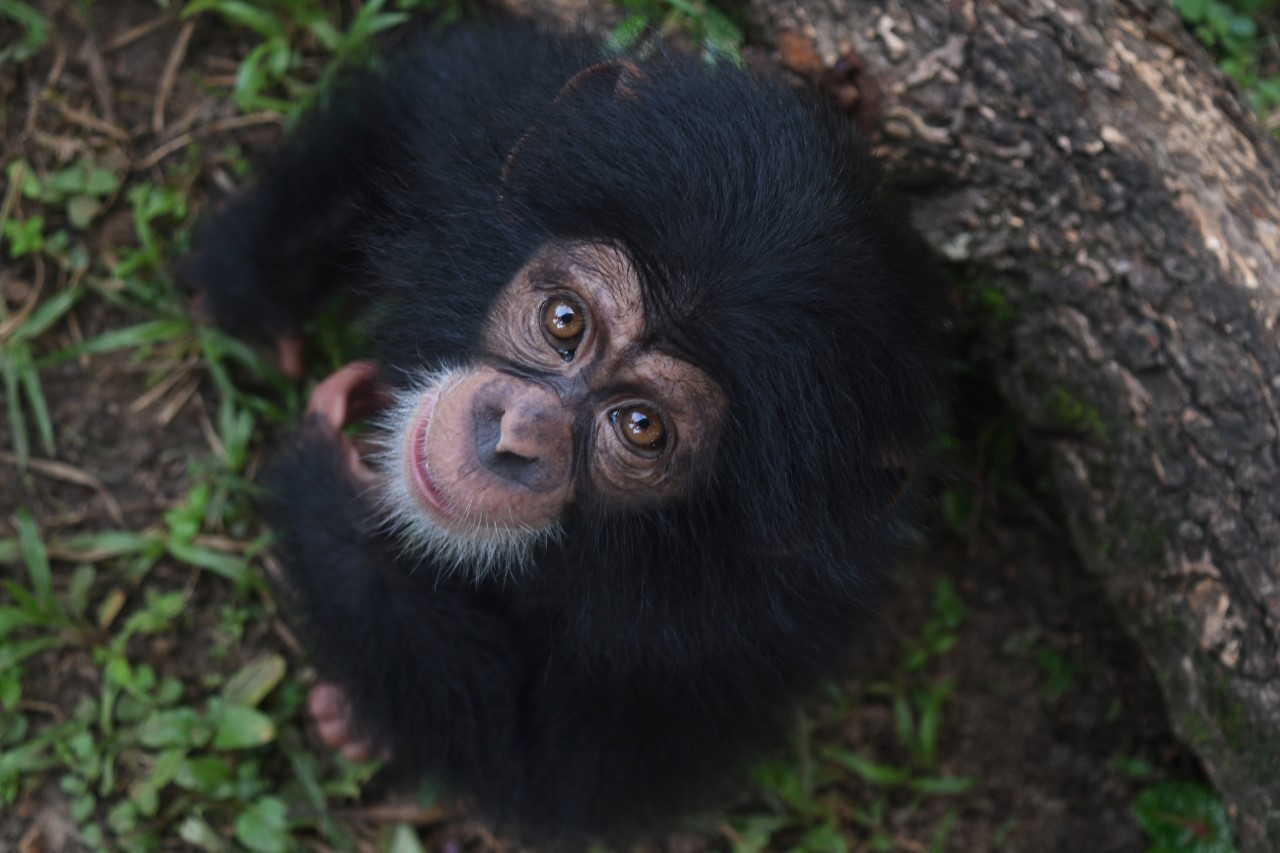
    Liberia has exceptional biodiversity and is home to many iconic and threatened species such as the western chimpanzee, forest elephant and pygmy hippopotamus. However, due to its coastal location and large port, it is a hotspot for the illegal trade in wildlife and, as a result, wildlife populations in Liberia and neighbouring countries are under serious threat.

    Liberia’s Forest Development Authority (FDA) is leading the fight against international wildlife trafficking, and although the government has recently passed a number of laws around environmental conservation and wildlife trade, enforcement is difficult due to a lack of capacity and resources. Rangers are employed at key checkpoints with the aim of intercepting wildlife traffickers on their way to Monrovia and other large port cities. However, a lack of resources and communications equipment was limiting how effectively the checkpoint rangers could carry out their vital work.

    Local wildlife charity, Liberia Chimpanzee Rescue and Protection (LCRP), is dedicated to rescuing and caring for chimpanzees caught up in the bushmeat and international trafficking trade, and the conservation of wild chimpanzee populations. Working alongside LCRP and the FDA, we were able to provide funding to provide 20 checkpoint rangers with smart phones. This has had a significant impact on the rangers’ effectiveness, enabling them to communicate quickly with each other and with the authorities about cases of wildlife trafficking, complete online paperwork immediately as incidents occur, quickly identify species and collect photographic evidence to build up a database of incidents and species involved.

    Ultimately, the provision of these smart phones will lead to more successful arrests and prosecutions, more wildlife protected from illegal trade and better protection of species and habitats in Liberia.

  • Cross River Gorillas, Cameroon

    Cross River Gorillas, Cameroon

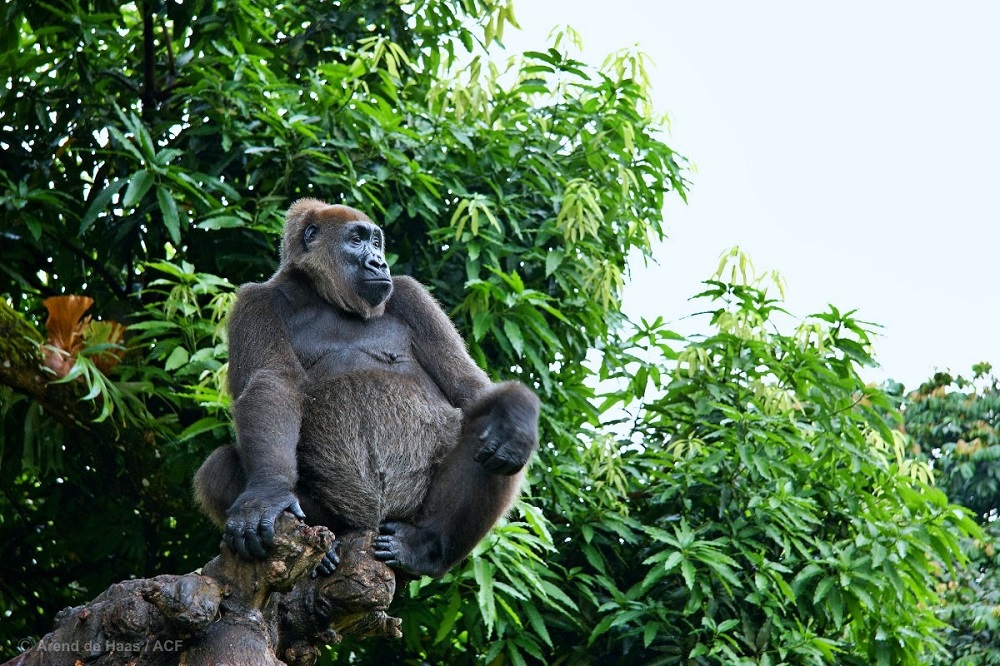
    The rainforests and highlands of south western Cameroon, the wettest place in Africa, are a biodiversity hotspot. Extending into Nigeria, these ancient forests have high levels of endemism and support many iconic and endangered species, as well as providing essential wildlife migration corridors and being a vital resource in the global fight against climate change. The region is home to Africa’s most endangered great ape, the Cross River gorilla. With just 250 – 300 individuals left in the wild, this species is on the brink of extinction, with habitat loss and fragmentation threatening to isolate small satellite populations. Other notable endangered species include the Nigeria- Cameroon chimpanzee, drill, Preuss’s monkey, three different species of pangolin and many birds. African forest elephants have important migration routes through the area and it is a key stop-off area for long distance migratory birds.

    Much of the area is community land with no formal protected status, and the forest is under threat from illegal logging, unsustainable agricultural practices and poaching. Exploitation of natural resources in the region has increased in recent years due to an influx of refugees fleeing conflict in neighbouring areas and the pressure of the covid -19 pandemic giving people no alternative but to turn to bushmeat and timber collection for survival.

    Working with our partners at the African Conservation Foundation, we have been able to contribute funds for training, equipment, salaries and thus capacity building for 30 community rangers. The 21 men and 9 women have been selected by their local communities, and work conducting monitoring and nest counts of Cross River gorillas, as well as surveying many other species and mapping conservation threats. They are also best placed to deliver humanitarian action to meet the needs of displaced people that are fleeing to the area.

    These rangers were signifcantly under-equipped. However, the provision of smart phones, GPS, tracking equipment, camera traps and software has enabled them to undertake more extensive and accurate monitoring and data collection, as well as training and field safety equipment such as tents and sleeping mats. Just £500 can cover the cost of equipment, training and a year’s salary for one ranger.

    A large, landscape scale, community based approach to conservation, connecting protected areas with community forest reserves and sanctuaries, is key to protecting these species and their habitats, whilst also providing sustainable livelihoods for the area’s increasing population (see Cameroon Wildlife Corridor Project). If successful, the long term outcomes of this project are far reaching and of huge benefit not only to the conservation of the extraordinary biodiversity of south west Cameroon and in particular the Cross River gorilla, but also to ensuring secure sustainable use rights of the approximately 15000 people that live in the region and rely on the forest for their livelihood.

    There is also great potential for the development of sustainable agroforestry in the area. A new species of coffee has recently been discovered in another highland region of Cameroon with very similar environmental conditions, as well as a rare medicinal tree, Okoubaka aubrevillei, which is being used by a Swiss company to make a herbal remedy against intestinal problems and has a growing market in Europe. These high value crops, along with the production of gorilla honey, could provide a viable alternative to slash and burn agriculture which is a major contributing factor to deforestation and habitat fragmentation.

  • Sumatra Large Mammal Conservation

    Sumatra Large Mammal Conservation

    The Bikut Tigapuluh Ecosystem in central Sumatra, Indonesia, is a globally important area of lowland rainforest. As well as harbouring valuable biodiversity and acting an important carbon storage resource for the mitigation of climate change, and being home to several indigenous groups who depend on the forest for survival, the area is particularly important for the conservation of several critically endangered large mammal populations.

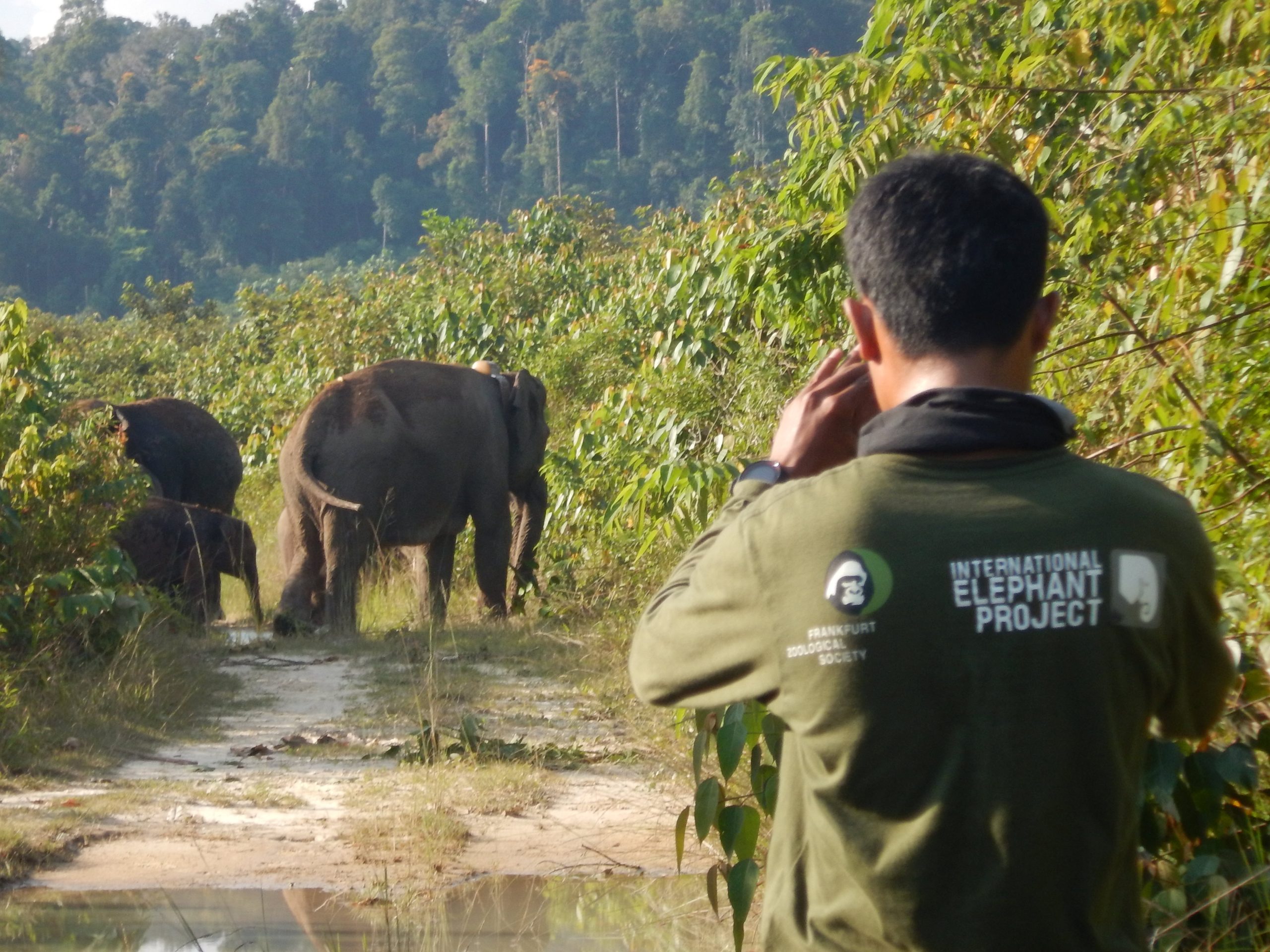
    It is a priority area for one of the largest populations of wild Sumatran elephants, home to 10–15% of remaining Sumatran tigers and covers one of only two release sites for ex–captive Sumatran orangutans.

    The lowland buffer zone of the Bikut Tigapuluh National Park is extremely important for these species, but increasingly is under threat of encroachment from logging, poaching and illegal farming. Over the last few years, economic pressures arising from the covid 19 pandemic have led to more and more illegal activity in the area.

    The area is patrolled by dedicated wildlife protection units – multi task community ranger teams who undertake habitat and wildlife monitoring, anti-poaching patrols and human wildlife conflict resolution, however, funding pressures were making the future of these patrols uncertain, with the risk of leaving the area inadequately protected and vulnerable to poaching and other illegal activity.

    Working with our on the ground partners, Wildlife Conservation International, funding was provided to enable the 24 strong ranger team to continue its vital work protecting the area and its wildlife in the following ways:

    • maintaining their continuous anti-poaching efforts and keeping numbers of critically endangered wildlife killed to a minimum
    • continuing the successful Community Based Conflict Mitigation Programme to reduce conflict between elephants and farmers
    • patrolling key areas for large mammal conservation
    • training and equipping existing rangers and new recruits with SMART wildlife monitoring technology
    • covering the ongoing costs of uniform, transport, patrol equipment (tents, cookers), technology (comms, GPS, SMART) and food rations

  • Upemba National Park, DRC

    Upemba National Park, DRC

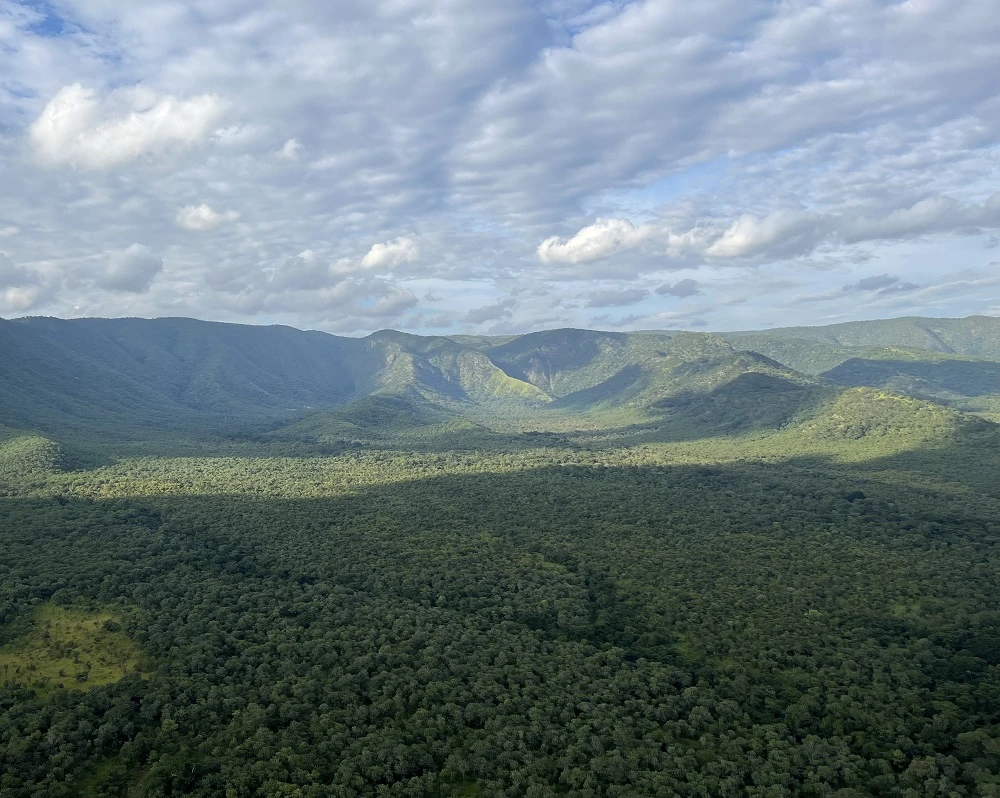
    Upemba National Park in the Democratic Republic of Congo is one of Africa’s most important protected areas. The 4500 square miles of habitat, including grasslands, wetlands, woodland and mountains, is home to exceptional biodiversity, including lions, elephants and DRC’s last remaining herd of zebras.

    Wildlife has been in decline in recent years due to pressure from poaching, wildlife trafficking and illegal strip mining. In addition, the rangers working to protect the area and its iconic wildlife risk their lives every day, working in remote and often extreme environments with limited communication. As well as the risk of conflict with poachers, the volatile political situation in the country means they face the very real danger of the armed militia groups who are increasingly present in the area. Tragically, in recent years the park has suffered one of the highest numbers of ranger deaths; the majority being homicides by armed militia.

    In 2022, we ran an appeal to raise funds to provide Upemba’s 247 strong ranger team with the technology to enable them to communicate whilst on patrol in this vast area which has no radio or telephone signal. The £10000 raised in the appeal enabled our on-the-ground partners, the Forgotten Parks Foundation, to provide the Upemba rangers with 13 GPS units, supporting software subscription and training. This equipment is a game changer for this ranger team, enabling them to communicate with each other whilst on patrol and, crucially, to call for help in an emergency.

    Although this communication equipment has been a significant help to rangers, improving their own safety and the effectiveness of their patrols, the situation in DRC is still very challenging for those working in wildlife conservation. Tragically, the park has lost three more rangers in the past year, and we have been working to provide financial support to their families in this tragic and difficult time, as well as covering the cost of life and emergency evacuation insurance for all the frontline rangers.

  • Tigers of India

    Tigers of India

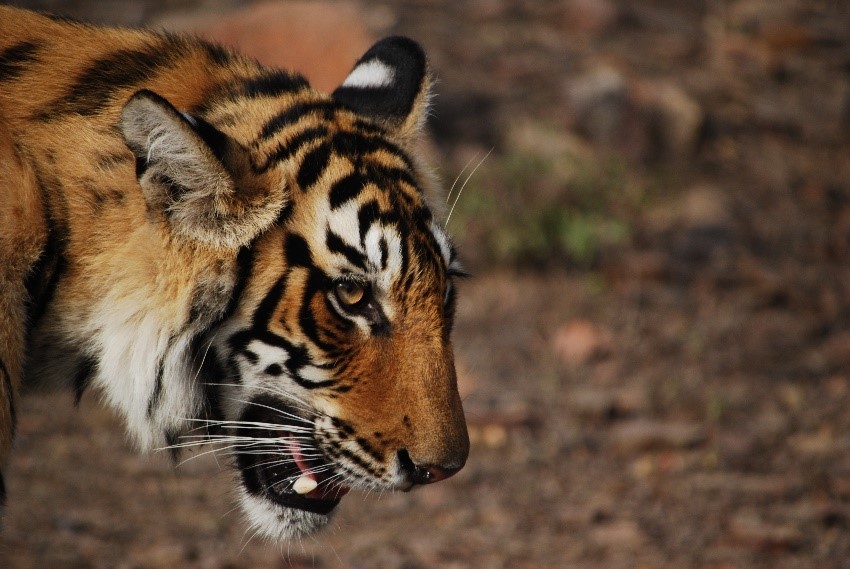
    India is home to around 3600 tigers, which is approximately 75% of the remaining wild tigers worldwide. The country has a network of protected areas where dedicated rangers work tirelessly to protect these iconic animals, their habitats and other wildlife and endangered species.

    In many areas, rangers often lack the equipment they need to do their jobs safely and effectively. Working in remote areas, they face risks from poachers, forest fires, accidents and wildlife attacks. Very sadly, India has one of the highest rates of ranger fatalities in the world.

    Working with our on-the-ground partners, the Wildlife Trust of India, we have been able to provide the equipment rangers need to carry out patrols safely and to monitor and protect tigers and other wildlife. The equipment provided varies across different areas depending on the specific needs of different ranger teams, but includes waterproof clothing, backpacks, torches, tents, PPE and water filters. As well as improved safety for the rangers, being properly equipped is a huge morale boost for these dedicated frontline workers and will lead to better habitat conservation and protection for the tigers and other endangered wildlife in India long into the future.

  • Laquipampa Wildlife Refuge, Peru

    Laquipampa Wildlife Refuge, Peru

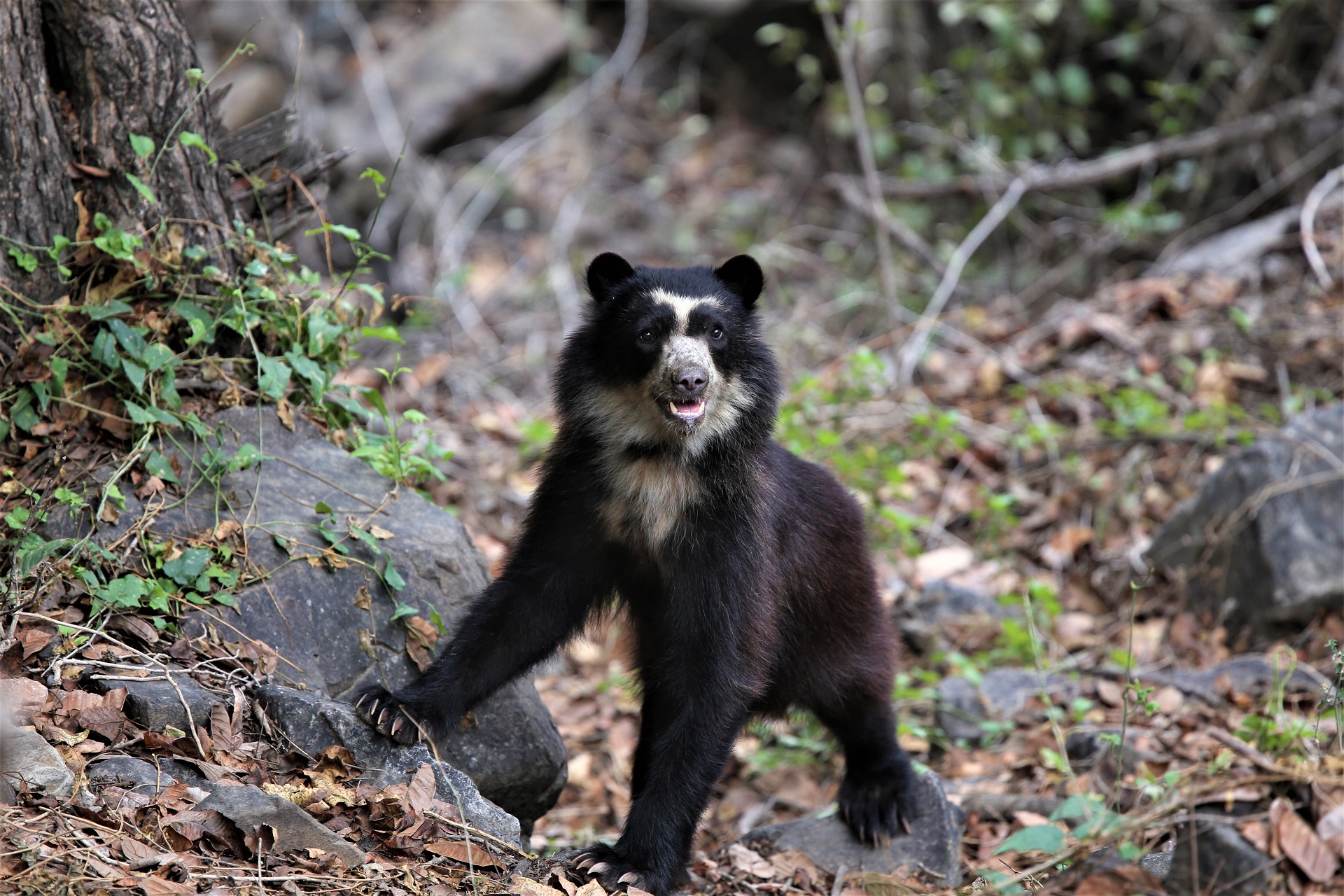
    The equatorial dry forests of Peru and Ecuador are one of the most threatened neotropical ecosystems with just 10% of original coverage remaining. It is home to unique wildlife including the iconic spectacled bear which is increasingly threatened due to habitat loss.

    The spectacled bear is the only bear species native to South America, with its range confined to the dry forests, cloud forests and deserts of the Andes mountains. In forested areas, the bears often spend a lot of time in the trees, whilst in deserts, they live in the undergrowth. Like many bear species, they are omnivorous and adapt their diet to what is readily available, which can include fruit, cacti, leaves, bark, bromeliads, carrion, insects, birds and small mammals.

    Their strength and solitary nature have made them the subject of important local folklore, while around the world, the spectacled bear is best known as the inspiration for the much loved children’s character, Paddington.

    Spectacled bears are an important umbrella species – conserving the bears has the knock-on effect of protecting numerous other species that share their habitat, including mountain tapir, ocelots, puma, jaguarundi, Andean condor and white winged guan.

    The Laquipampa Wildlife Refuge in the Lambayeque region on north east Peru is an important protected area for spectacled bear conservation. In 2021, the park was protected by just three official rangers. Previously, these rangers were supported by a network of volunteers from local communities, however, this programme had to be suspended due to lack of funds. The knock-on effects of this, along with the pressures of the COVID-19 pandemic meant that surveillance of the bears and other wildlife had to be reduced, monitoring of conservation agreements were unable to be carried out effectively, and the rangers often had to work alone in dangerous conditions.

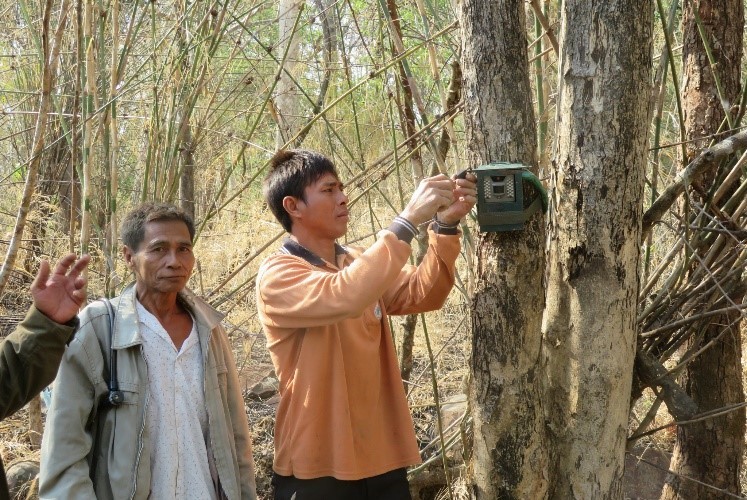
    Working with our on the ground partner the Spectacled Bear Conservation Society of Peru, provision of training for a network of 20 local voluntary rangers, as well as vital equipment, has hugely improved safety and capacity for the teams protecting the spectacled bear and its habitat. Equipping the rangers with essential skills, including surveillance, first aid and conflict resolution, means that rangers can stay safe, carry out more effective monitoring and also transfer these skills for the benefit of the local community. As well as basic patrol equipment such as uniform, PPE, torches, stationery, first aid kits and tents, the rangers now also have access to technology to improve the monitoring of spectacled bears, including GPS and cameras.

    Impact/Update

    As a result of this capacity building, SBSC have been able to expand their conservation work to new areas of the buffer zone of the park. Through installing new camera traps in this area, rangers have managed to establish that bears are using the buffer zones as corridors between areas of habitat, and have also managed to capture images of pumas and ocelots in the region.

    The team have also found a unique way to spread the word about their work and the importance of conservation to communities in the buffer zone through setting up football tournaments to bring people together.