Author: Beth Cross

  • Connecting Communities for Conservation in Cambodia

    Connecting Communities for Conservation in Cambodia

    The Hargila Army is an inspirational grassroots organisation founded and led by our brilliant Working for the Wild Ambassador Dr Purnima Devi Barman.  We are proud to have supported their work protecting and safeguarding the future of the endangered greater adjutant stork and its threatened habitat in Assam, India, through empowering local women to become conservationists. Following the great success of this project, they are now hoping to expand their work to the stork’s other stronghold in Cambodia.

    The greater adjutant stork, or Hargila, is the world’s rarest stork, breeding only in Cambodia and Assam. This remarkable bird is a vital part of its wetland ecosystem. It is also a very effective scavenger, important for reducing the spread of diseases for both wildlife and people. Due to habitat loss, the storks have come into closer contact with human habitation and moved onto feeding on rubbish dumps. They are often seen as dirty and a pest, leading to misunderstanding and persecution.

    Purnima’s conservation and community empowerment model set up in India has been extremely successful, increasing stork populations and empowering thousands of women to become conservationists and to build their livelihoods around protecting them. We would now like to help replicate this model in Cambodia, training women in nest site and habitat protection, conservation leadership and providing equipment necessary for the protection of the storks’ nesting sites in Cambodia. It is hoped that women from India will be able to travel to Cambodia to share their knowledge and experiences to help develop new businesses and livelihoods based around the storks and their importance to the local area.

    Through this community initiative, the greater adjutant stork and its threatened wetland habitat will be better protected, leading to population increase and a more secure future for this amazing endangered keystone species. It will also increase awareness of the importance of these animals among local communities and enable hundreds of women to play a key role in stork conservation, whilst also building sustainable businesses and boosting the local economy.

    We were delighted to take part in the Big Give Earth Raise campaign in April 2026, through which we raised over £5000 towards this project thanks to donations and match funding.

  • Rewilding in Serbia

    Rewilding in Serbia

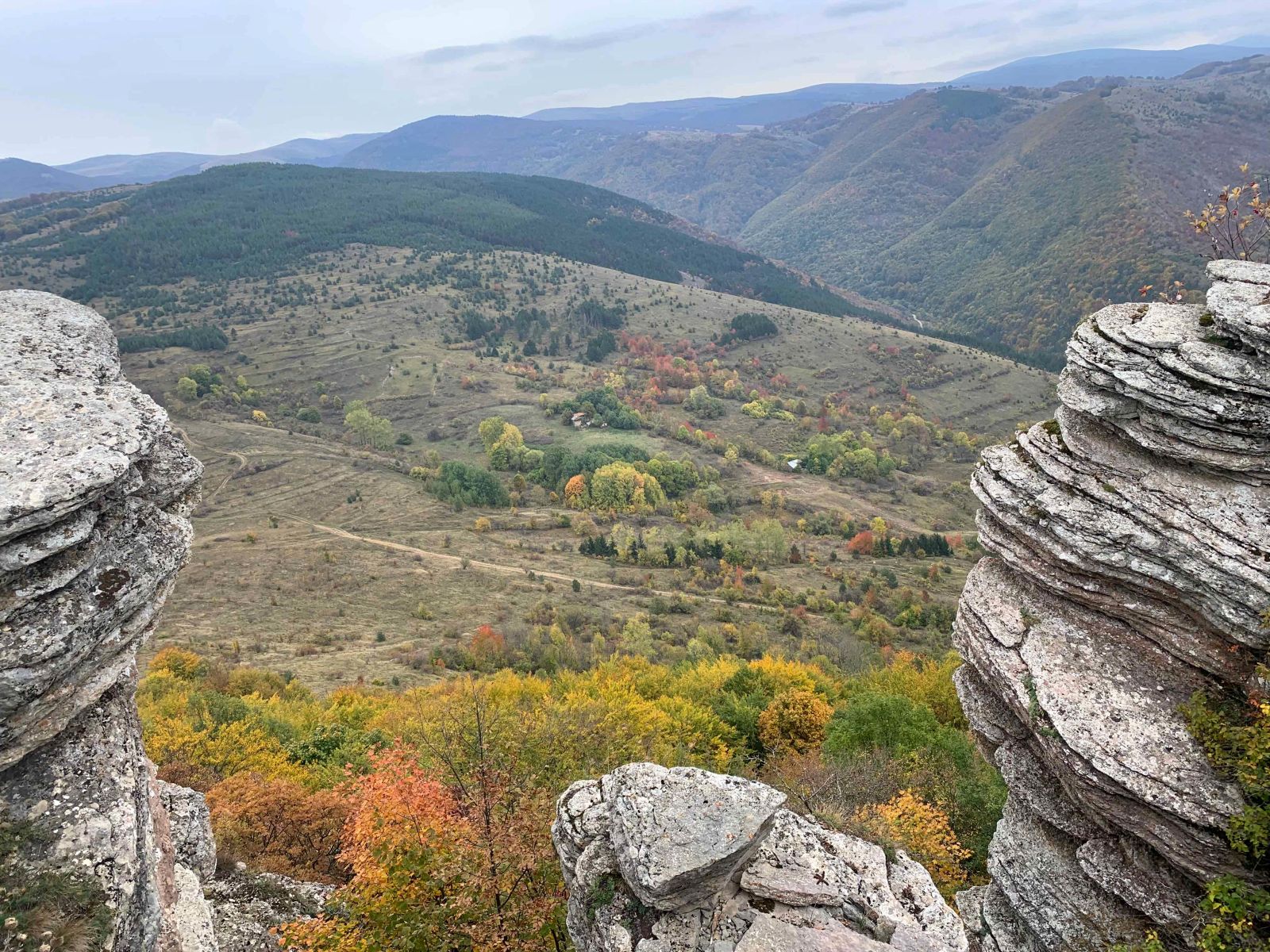
    Stara Planina Natural Park in Serbia is a vast area of mountainous grassland landscape in central Europe. The region is particularly important for plant diversity; the mixture of forest, scrubland, grassland and bogs provide a unique habitat for a wide variety of wildlife. For thousands of years this landscape has been maintained through grazing by large herbivores – both wild animals and traditional breeds of livestock. However, in recent years the habitats have started to degrade and the area is under threat, including from over-grazing by concentrated areas of sheep and cattle, and changes in agricultural practices and rural culture. In addition, climate change is impacting how well the grasslands can recover from degradation.

    In order to restore and protect this ancient mountain landscape, our local partners in the region are working on an exciting rewilding project. This involves a return to managing the habitats as they have been for thousands of years through low intensity grazing by large herbivores. Currently, the team are using traditional hardy livestock breeds such as the Stara Planina horse and Busha cattle. However, the ultimate goal is to reintroduce wild European bison – an amazing species which used to roam the plains and mountain pastures of central Europe but has been extinct in the wild in the Balkans for hundreds of years.

    To ensure the success of this project, the local ranger teams need to have the right equipment to patrol and monitor the park, the grazing animals and other wildlife. We are delighted to have been able to support them by providing £1000 for boots to ensure they can work safely to protect this amazing ancient landscape.

  • People and Wildlife Side By Side, Sri Lanka

    People and Wildlife Side By Side, Sri Lanka

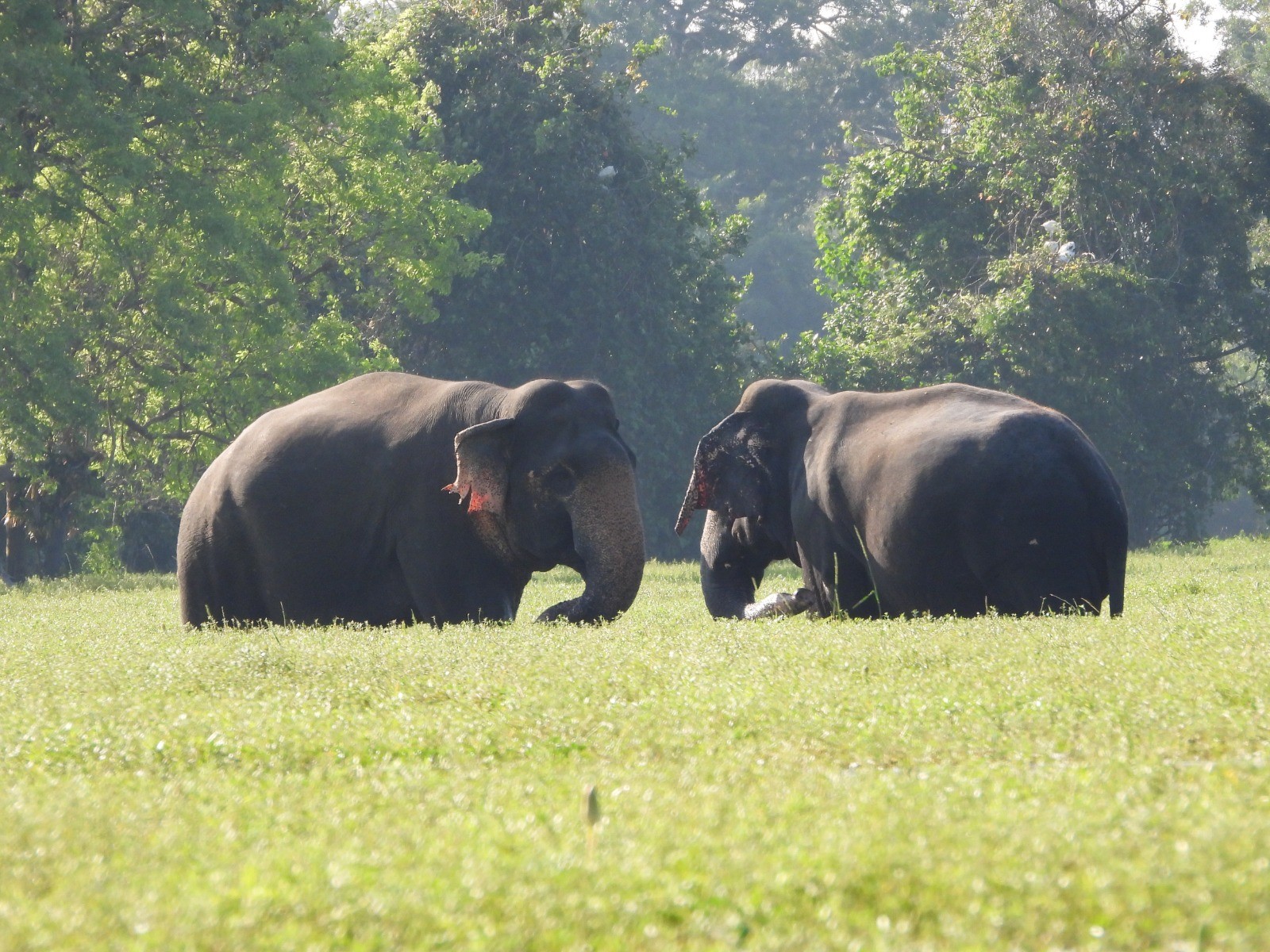
    Sri Lanka is a stronghold for the endangered Asian elephant, however, human interaction with elephants is a major issue both for the safety of people in affected villages and the elephants that stray too close to farmland and homes. With the highest number of elephant deaths and second highest rate of human deaths in the world due to this human elephant conflict, managing this relationship between people and wildlife is a core part of the role of wildlife rangers.

    Lahugala National Park in the south east of Sri Lanka is one of the smaller national parks in the country, and thus often not as well funded as the larger parks. The small ranger team regularly deals with human elephant conflict, as well as other issues such as illegal fishing in park reservoirs, unauthorised entry of cattle into the park, and illegal hunting of wild animals. However, the team was lacking the patrol equipment and PPE to work safely and effectively in sometimes extreme and dangerous conditions.

    Working with our on-the-ground partners Elemotion Foundation, we were pleased to be able to fund £3000 of equipment for the rangers at Lahugala National Park, including protective clothing, bushcraft equipment, night vision binoculars and camping gear. As a result, the ranger team has been able to increase not only the number of patrols but also the effectiveness of these patrols. In addition, the night vision binoculars have enabled them to expand their work further afield to include night time monitoring of beaches that are home to nesting turtles.

    Most importantly, the provision of this new equipment has meant better safety and morale for the rangers and improved conservation for elephants and other wildlife.

    We were also delighted to provide £4000 towards the construction of a new aviary at the Randenigala Health Management Unit, which is a vital facility for research and monitoring, combatting wildlife crime and caring for and rehabilitating injured wildlife.

    Previously, the centre had no specialist area for birds, but thanks to your support and donations and the incredible team work of staff on the ground who volunteered extra time and skills, the aviary is complete and almost ready to open.

    Species that will benefit from this brand new facility include birds of prey such as the black eagle, white bellied sea eagle and many owl species, as well as birds endemic to Sri Lanka including the Sri Lanka wood pigeon, Sri Lanka grey hornbill, Layard’s parakeet and the national bird, the Sri Lanka junglefowl.